Featured

Overcoming Keto Flu: Strategies for Minimizing Symptoms During Transition | by Caroline Kabiritsi

Embarking on a ketogenic diet can be an exhilarating journey towards health and weight loss. However, newcomers to this high-fat, low-carbohydrate diet often encounter an unpleasant hurdle known as the “keto flu.” This term describes a collection of symptoms that mimic the flu, occurring as the body adjusts to burning fat instead of carbohydrates for energy. In this article, we’ll explore why keto flu happens, its common symptoms, and provide practical strategies to minimize discomfort during your transition to ketosis.

Understanding Keto Flu

Keto flu typically occurs in the first few days to weeks of starting a ketogenic diet. As you drastically reduce carbohydrate intake, your body shifts from using glucose as its primary fuel source to using ketones, which are derived from fats. This significant metabolic change can trigger a range of symptoms as your body adapts.

Symptoms of keto flu can include fatigue, headaches, irritability, difficulty concentrating, dizziness, insomnia, muscle cramps, and gastrointestinal discomfort. It’s important to recognize that while these symptoms can be challenging, they are usually temporary and subside as your body becomes more efficient at fat metabolism.

How to Minimize Keto Flu Symptoms

1. Stay Hydrated: One of the simplest yet most effective ways to alleviate keto flu symptoms is to increase your water intake. As your body enters ketosis, it begins to shed excess sodium and water. This can lead to dehydration unless you actively replenish your fluids. Aim for at least eight 8-ounce glasses of water per day, and consider adding electrolytes like sodium, potassium, and magnesium to your water to help maintain balance.

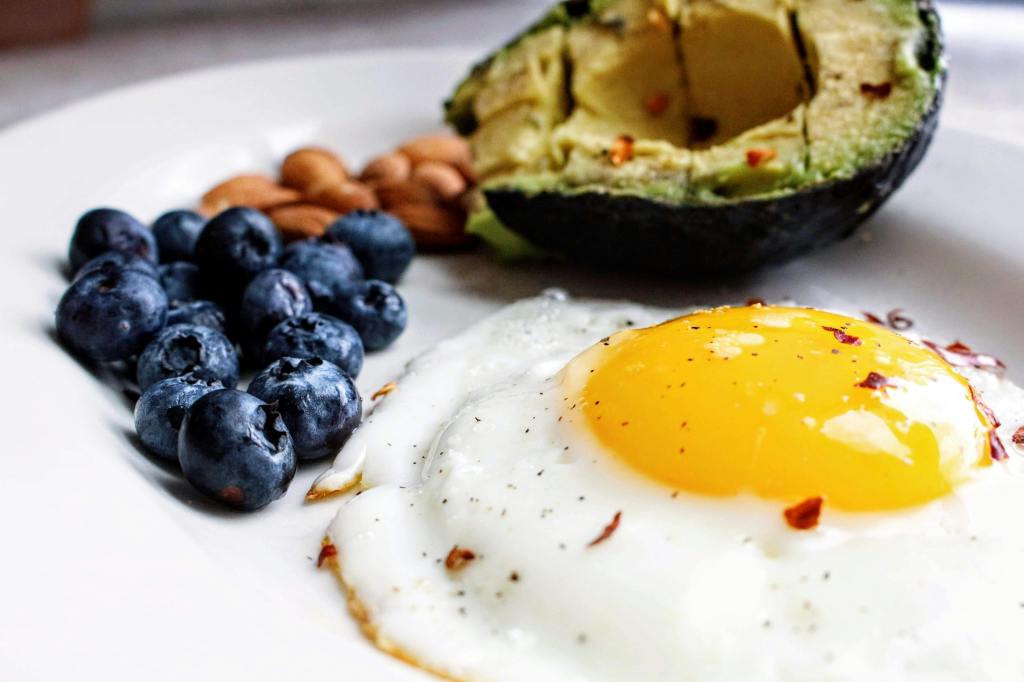
2. Replenish Electrolytes: Electrolyte imbalances are common when starting a ketogenic diet and can exacerbate symptoms of keto flu. To combat this, ensure your diet includes foods rich in potassium (avocados, nuts, dark leafy greens), magnesium (pumpkin seeds, almonds, spinach), and sodium (salt your food to taste). Electrolyte supplements can also be beneficial, especially if you’re experiencing symptoms like muscle cramps or headaches.

3. Ease into Carb Restriction: Rather than drastically reducing your carbohydrate intake overnight, try a more gradual approach. Lowering your carb intake slowly over a few weeks can help your body adjust more smoothly, potentially reducing the severity of keto flu symptoms.

4. Increase Fat Intake: Ensuring adequate fat consumption is crucial on a ketogenic diet, not just for energy but also to help stave off hunger and fatigue. Include healthy fats like coconut oil, olive oil, avocados, and fatty fish in your diet. These can help boost your energy levels and keep you satisfied.

5. Get Adequate Sleep: Lack of sleep can worsen any health condition, including keto flu. Try to maintain a regular sleep schedule, aiming for 7-9 hours of quality sleep per night. Consider adopting a calming bedtime routine to help you wind down and improve your sleep quality.

6. Moderate Your Exercise: While exercise is an important part of a healthy lifestyle, overdoing it during the initial stages of a ketogenic diet can increase keto flu symptoms. Opt for light activities such as walking or yoga instead of high-intensity workouts until your body adapts to its new fuel source.

7. Consume Enough Protein: While the focus on a ketogenic diet is often on fats, adequate protein intake is essential to prevent muscle loss and help mitigate feelings of fatigue. Sources like eggs, lean meats, and full-fat dairy can provide both protein and other nutrients needed during your transition.

8. Listen to Your Body: Everyone’s experience with keto flu is different. Pay attention to what your body needs. If you feel particularly unwell, it might be worth reassessing your approach to the ketogenic diet, possibly under the guidance of a healthcare provider or nutritionist.

9. Supportive Supplements: Some individuals find relief from keto flu symptoms through supplements like MCT oil, which can provide a quick source of energy from fats, or exogenous ketones, which can help raise blood ketone levels and ease the transition into ketosis.

10. Stay Positive and Patient: Remember, the keto flu is temporary. Most people feel better within a week or two. Keep a positive outlook and focus on the long-term benefits of your dietary change.

Conclusion

Transitioning to a ketogenic diet can be a challenging but rewarding experience. Understanding and preparing for the keto flu can make this transition smoother and more comfortable. By staying hydrated, replenishing electrolytes, adjusting your diet gradually, and listening to your body, you can minimize the symptoms and move closer to achieving your health goals. Remember, every body is different, and patience and self-care are your best tools during this change.

By Caroline Kabiritsi
Featured

Meal Planning Made Easy: Crafting Delicious and Nutrient-Dense Keto Meals | by Caroline Kabiritsi

When embarking on a ketogenic diet, many find the prospect of planning meals a bit daunting. The diet, known for its high fat, moderate protein, and low carbohydrate approach, aims to induce a state of ketosis where the body burns fat instead of glucose for energy. The payoff can be significant—weight loss, improved mental clarity, and better energy levels—but getting there requires thoughtful food choices. This article breaks down how to plan your keto meals effectively, ensuring they are both delicious and nutrient-dense.

Understanding the Basics of Keto

Before diving into meal planning, it’s essential to understand what the ketogenic diet entails. The goal is to drastically reduce carbohydrate intake and replace it with fat, leading the body into ketosis. For most people, this means consuming fewer than 50 grams of carbs per day, often even as low as 20 grams. The exact macronutrient breakdown can vary, but a typical keto diet might consist of 70-80% fat, 15-20% protein, and 5-10% carbohydrates.

Benefits of Meal Planning on Keto

Meal planning is a crucial strategy for maintaining any dietary regimen, particularly keto, where tracking macronutrients is vital. Benefits include:

  • Avoiding Temptation: Knowing your meals and snacks ahead of time helps prevent impulsive eating decisions that might not align with ketogenic principles.
  • Budget-Friendly: Buying exactly what you need reduces waste and unnecessary spending.
  • Time Management: Prepping meals in advance can save a lot of time during busy weekdays.
  • Nutritional Balance: Planning helps ensure you’re meeting your nutritional needs and maintaining the right macronutrient ratios.

Getting Started: Keto Meal Planning Tips

  1. Calculate Your Macros: First, understand how many calories you need based on your weight, height, activity level, and weight loss goals. There are several online calculators that can help you break down these calories into appropriate keto-friendly macros.
  2. Create a Meal Plan Template: Consider themes like “Meatless Mondays” or “Fish Fridays” to simplify decision-making. Each day of the week can have a general framework which can be varied with different ingredients and spices.
  3. Choose Your Recipes: Select recipes that fit your macros and appeal to your taste buds. Variety is key to sticking with any diet, so try to incorporate different meats, vegetables, and healthy fats. Use spices liberally to add flavor without extra carbs.
  4. Make a Shopping List: Based on your chosen recipes, compile a shopping list. Stick to the outer aisles of the grocery store where fresh foods like meats and vegetables are typically found, and avoid the middle aisles which are often full of processed, high-carb foods.
  5. Batch Cooking and Meal Prep: Prepare your meals in advance, at least partially. Cooking large batches of staples like proteins or low-carb vegetables can be a time-saver during the week.
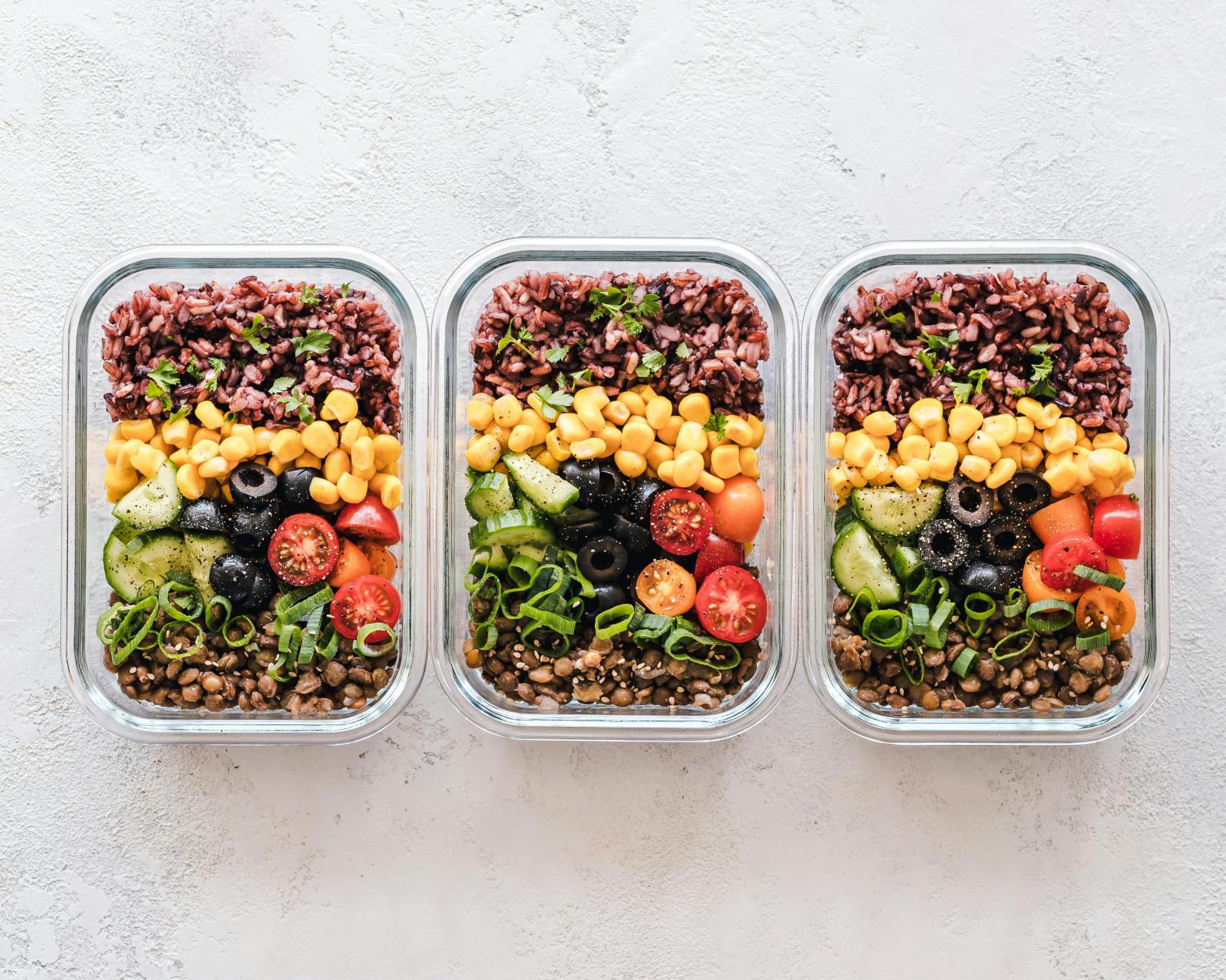
  6. Use Proper Containers: Invest in quality food storage containers. Keeping food fresh is crucial, and good containers can make portion control much easier.

Sample One-Week Keto Meal Plan

To help you get started, here’s a sample one-week meal plan that incorporates a variety of foods and flavors:

  • Monday: Breakfast – Scrambled eggs with spinach and feta. Lunch – Grilled chicken salad with avocado dressing. Dinner – Zucchini noodles with pesto and cherry tomatoes.
  • Tuesday: Breakfast – Keto yogurt with walnuts and chia seeds. Lunch – Turkey roll-ups with cream cheese and cucumber. Dinner – Beef stir-fry with mixed green vegetables.
  • Wednesday: Breakfast – Smoothie with almond milk, spinach, and peanut butter. Lunch – Shrimp and avocado salad. Dinner – Pork chops with asparagus.
  • Thursday: Breakfast – Omelet with mushrooms and cheddar. Lunch – Sardine salad with olive oil and lemon dressing. Dinner – Chicken thighs with cauliflower rice.
  • Friday: Breakfast – Almond flour pancakes with berries. Lunch – Tuna salad stuffed avocados. Dinner – Salmon with creamed spinach.
  • Saturday: Breakfast – Bulletproof coffee and mini frittatas. Lunch – Chicken Caesar salad (no croutons). Dinner – Lamb chops with rosemary and garlic butter veggies.
  • Sunday: Breakfast – Keto muffins and bacon. Lunch – Cobb salad. Dinner – Eggplant lasagna.

Tips for Eating Out on Keto

Eating out can still be enjoyable on the ketogenic diet. Opt for dishes that focus on meats and vegetables, and be mindful of hidden sugars and carbs in sauces and dressings. Don’t hesitate to ask for modifications, such as substituting any high-carb side with a salad or extra vegetables.

Staying Motivated

Keeping a food diary can be incredibly beneficial. Not only does it help track your intake, but it also makes it easier to adjust if you hit a plateau or don’t see the desired results. Additionally, joining online keto communities can provide support, ideas, and motivation to keep going.

Conclusion

With some planning and creativity, following a ketogenic diet can be not just manageable but enjoyable. By preparing nutrient-dense, flavorful meals, you can satisfy your palate and your dietary goals. Remember, the key to any successful diet is consistency, so find a routine and recipes that work for you and stick with them. Happy keto cooking!

By Caroline Kabiritsi

Featured

The Origins of the Ketogenic Diet: From Epilepsy Treatment to Modern Wellness | by Caroline Kabiritsi

In today’s world, the ketogenic diet has become a buzzword in the realms of health and wellness. But did you know that its origins lie in the treatment of epilepsy? Yes, the ketogenic diet has a fascinating history, starting from its humble beginnings as a therapeutic approach for epilepsy to its evolution into a popular dietary trend embraced by many for weight loss, improved energy levels, and overall well-being.

Let’s take a journey back in time to uncover the origins of the ketogenic diet and understand how it has transitioned from a medical intervention to a lifestyle choice.

The Ancient Roots:

While the term “ketogenic diet” may sound modern, the concept of inducing ketosis has been around for centuries. Fasting has been practiced for thousands of years for various health reasons, and it naturally leads to ketosis. Ancient Greek physicians like Hippocrates observed the therapeutic benefits of fasting for epilepsy, and similar observations were made in other cultures as well.

The Birth of the Ketogenic Diet:

The modern ketogenic diet, however, owes its inception to the work of Dr. Russell Wilder, a physician at the Mayo Clinic, in the early 1920s. Dr. Wilder was inspired by the idea that fasting could reduce the frequency and severity of epileptic seizures. However, he recognized the challenges of sustaining a fast for an extended period, especially for children.

To address this, Dr. Wilder developed a high-fat, low-carbohydrate diet that mimicked the metabolic effects of fasting, thus giving birth to the ketogenic diet. The goal was to induce a state of ketosis, where the body switches from using glucose as its primary fuel source to using ketones, which are produced from fat breakdown.

The Therapeutic Success:

The ketogenic diet showed remarkable success as a treatment for epilepsy, particularly in children who were resistant to conventional medications. Studies conducted in the 1920s and 1930s demonstrated significant reductions in seizure frequency among patients following the ketogenic diet.

Evolution into a Lifestyle:

While the ketogenic diet remained primarily a medical intervention for decades, it started gaining traction beyond the realm of epilepsy treatment in the latter part of the 20th century. With the rising prevalence of obesity and metabolic disorders, researchers and health enthusiasts began exploring alternative dietary approaches for weight management and overall health.

In the 1990s, Dr. Atkins popularized the concept of low-carbohydrate diets with his Atkins Diet, which shared some similarities with the ketogenic diet. This resurgence of interest in low-carb diets reignited curiosity about the ketogenic diet and its potential benefits beyond epilepsy.

The Modern Keto Movement:

Fast forward to the 21st century, and the ketogenic diet has experienced a resurgence like never before. Thanks to the internet and social media, information about the ketogenic diet spread rapidly, capturing the attention of individuals seeking weight loss, increased energy, and improved mental clarity.

Celebrities, influencers, and health experts alike began endorsing the ketogenic diet, praising its effectiveness in shedding excess pounds and enhancing overall well-being. As a result, the ketogenic diet transitioned from a therapeutic tool to a mainstream dietary trend embraced by millions worldwide.

Understanding the Ketogenic Diet:

So, what exactly is the ketogenic diet, and how does it work? The ketogenic diet typically consists of high-fat, moderate-protein, and low-carbohydrate foods. By drastically reducing carbohydrate intake and increasing fat consumption, the body enters a state of ketosis, where it becomes efficient at burning fat for fuel.

During ketosis, the liver produces ketones from fat stores, which serve as an alternative energy source for the brain and body. This metabolic shift not only aids in weight loss but also offers numerous potential health benefits, including improved blood sugar control, enhanced mental focus, and reduced inflammation.

Is the Ketogenic Diet Right for You?

While the ketogenic diet has garnered widespread attention for its potential benefits, it’s essential to recognize that it may not be suitable for everyone. Individuals with certain medical conditions, such as pancreatic disorders or gallbladder issues, may need to exercise caution or avoid the ketogenic diet altogether.

Moreover, the ketogenic diet requires careful planning and monitoring to ensure adequate nutrient intake and prevent potential side effects, such as electrolyte imbalances or constipation.

Embracing a Balanced Approach:

Ultimately, whether you choose to embrace the ketogenic diet or not, the key to sustainable health and wellness lies in adopting a balanced approach to nutrition. While the ketogenic diet may offer benefits for some individuals, others may thrive on different dietary patterns.

Listening to your body, consulting with healthcare professionals, and focusing on whole, nutrient-dense foods can help you achieve your health goals while honoring your unique needs and preferences.

Conclusion:

The ketogenic diet has come a long way since its humble beginnings as a treatment for epilepsy. From its origins in medical research to its current status as a popular dietary trend, the ketogenic diet continues to captivate the interest of individuals seeking improved health and vitality.

As we navigate the complexities of modern nutrition, it’s essential to approach dietary choices with curiosity, mindfulness, and an understanding of individual variability. Whether you’re drawn to the ketogenic diet or prefer a different approach, prioritizing whole foods, balance, and sustainability can pave the way to long-term health and wellness.

So, as you explore the vast landscape of dietary options, remember to stay informed, stay curious, and above all, stay true to what nourishes both your body and your soul.

Featured

Getting Started: Step-by-Step Guide to Transitioning into Ketosis | by Caroline Kabiritsi

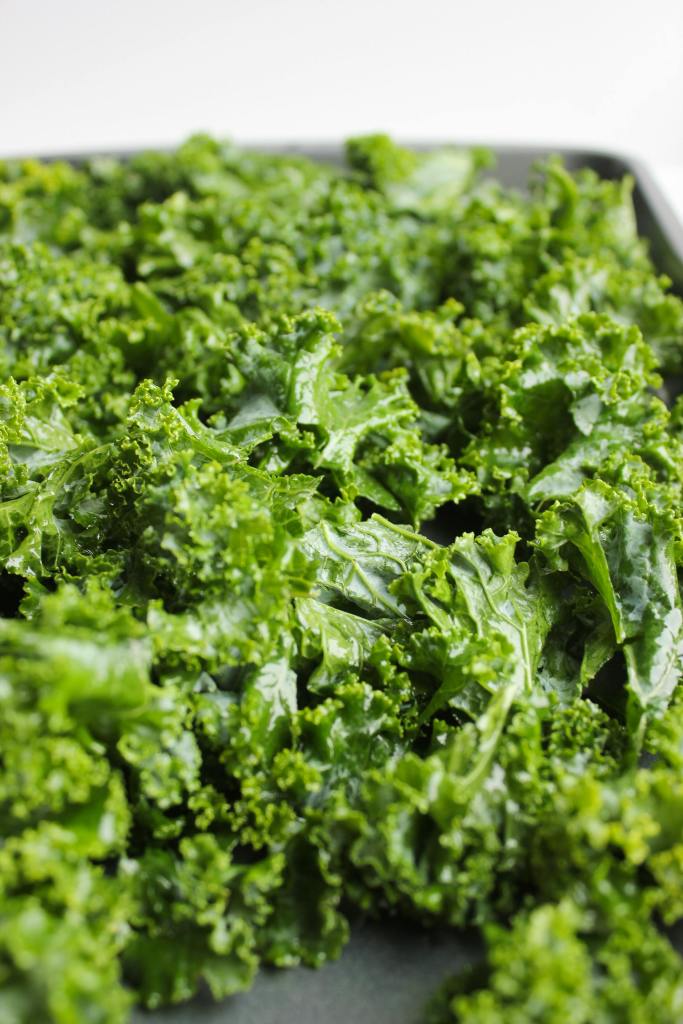
Kale Chips with Lime

So, you’ve heard about this thing called ketosis, and you’re curious. Maybe you want to shed a few pounds, improve your energy levels, or simply explore a new way of eating. Well, you’re in the right place! Transitioning into ketosis can be a transformative journey for your health and well-being. But where do you start? Don’t worry; I’ve got you covered with this step-by-step guide.

Understanding Ketosis

First things first, let’s clear up what ketosis actually is. Ketosis is a metabolic state where your body shifts from using glucose as its primary fuel source to using ketones, which are produced from fat. This transition typically occurs when you drastically reduce your carbohydrate intake, forcing your body to burn fat for energy instead.

Step 1: Educate Yourself

Knowledge is power, especially when it comes to something as significant as changing your diet. Take some time to research the ketogenic diet. Understand the science behind ketosis, familiarize yourself with keto-friendly foods, and learn about the potential benefits and risks. It’s essential to have a solid understanding of what you’re getting into before diving in.

Step 2: Clean Out Your Pantry

Now that you’ve decided to give ketosis a try, it’s time to bid farewell to those carb-laden temptations lurking in your pantry. Say goodbye to pasta, bread, rice, sugary snacks, and anything else that’s high in carbohydrates. Replace them with keto-friendly alternatives like avocados, nuts, seeds, low-carb vegetables, and healthy fats like olive oil and coconut oil.

Step 3: Plan Your Meals

One of the keys to success on the ketogenic diet is planning ahead. Sit down and map out your meals for the week, making sure to include plenty of protein, healthy fats, and low-carb vegetables. Stock up on keto-friendly ingredients and consider prepping some meals in advance to make sticking to your new way of eating easier.

Step 4: Start Slowly

Transitioning into ketosis can be a significant adjustment for your body, so take it slow. Instead of diving headfirst into a strict ketogenic diet, consider gradually reducing your carbohydrate intake over the course of a few days or weeks. This approach can help minimize unpleasant side effects like the keto flu, which some people experience as their bodies adapt to burning fat for fuel.

Step 5: Monitor Your Macros

On the ketogenic diet, it’s essential to keep track of your macronutrient intake, specifically your carbs, protein, and fat. Aim to keep your carbohydrate intake between 20-50 grams per day to stay in ketosis. Moderate your protein intake to prevent it from being converted into glucose, and make sure to get enough healthy fats to keep you feeling satisfied and energized.

Step 6: Stay Hydrated

Proper hydration is crucial, especially when you’re transitioning into ketosis. As your body adjusts to burning fat for fuel, you may experience increased urination, which can lead to dehydration if you’re not careful. Make sure to drink plenty of water throughout the day and consider supplementing with electrolytes to help maintain the balance of fluids in your body.

Step 7: Listen to Your Body

Everyone’s journey into ketosis is different, so it’s essential to listen to your body and adjust accordingly. Pay attention to how you’re feeling physically and mentally. If something doesn’t feel right, don’t be afraid to make changes to your diet or seek guidance from a healthcare professional.

Step 8: Be Patient

Transitioning into ketosis is not always a smooth ride, and it’s normal to experience some bumps along the way. Be patient with yourself and understand that it may take time for your body to fully adapt to this new way of eating. Stay focused on your goals and trust the process.

Step 9: Celebrate Your Successes

As you embark on your journey into ketosis, don’t forget to celebrate your successes along the way. Whether it’s losing a few pounds, feeling more energized, or simply sticking to your new way of eating, every achievement is worth acknowledging. Take pride in your progress and use it as motivation to keep pushing forward.

Step 10: Stay Consistent

Consistency is key when it comes to maintaining ketosis and reaping the benefits of the ketogenic diet. Stay committed to your dietary choices, stick to your meal plan, and make adjustments as needed. Remember, the more consistent you are, the easier it will become to stay in ketosis and achieve your health and wellness goals.

Final Thoughts

Transitioning into ketosis is a journey that requires dedication, patience, and a willingness to learn. By following these steps and staying true to your goals, you can successfully make the switch to a ketogenic lifestyle and experience the many benefits it has to offer. So, what are you waiting for? Take the first step today and embark on your own keto adventure!

Here is a recipe to get you started!

Kale Chips with Lime 

Serves: 2 

Ingredients: 

1-teaspoon soy sauce 

1-teaspoon fish sauce 

2 tablespoons of olive oil 

1 tablespoon Sriracha 

1 bunch of kale, washed well Juice of half a lime 

Instructions: 

1. Heat oven to 350 degrees.

 2. Chop the stem off the kale. Break them into chip-sized pieces and thoroughly dry them. 

3. In bowl, combine lime juice, Sriracha, olive oil, fish sauce, and soy sauce and mix. Taste for saltiness and hotness and adjust as desired. 

4. Pour the dressing over the kale to coat the chips. Spread the leaves over 2 cookie sheets (greased) but do not overlap them. 

5. Bake for 10 to 12 minutes as you monitor them. 

Net carbs per serving: 6g

Featured

Demystifying Keto: A Dive into Ketosis and Fat Adaptation | by Caroline Kabiritsi

Have you heard of the ketogenic diet, or simply “keto,” and wondered what all the buzz is about? Maybe you’ve seen friends or celebrities raving about their weight loss success or newfound energy levels on social media. Or perhaps you’re considering giving it a try yourself but want to understand the science behind it first. Well, you’ve come to the right place! In this article, we’re going to unravel the mysteries of keto by exploring two key concepts: ketosis and fat adaptation.

Understanding Ketosis

First things first, let’s talk about ketosis. At its core, ketosis is a metabolic state where your body primarily burns fat for fuel instead of carbohydrates. Normally, our bodies rely on glucose, which comes from carbs, as the main source of energy. But when you drastically reduce your carb intake, your body switches gears and starts producing ketones from fat stores to fuel your cells. This metabolic shift is what defines ketosis.

So, how do you get into ketosis? It’s all about limiting your carb intake to a very low level, typically around 20-50 grams per day. This forces your body to tap into its fat reserves for energy, leading to weight loss and other health benefits. However, reaching and maintaining ketosis isn’t always a walk in the park. It requires discipline and careful planning to ensure you’re consuming the right balance of macronutrients – high fat, moderate protein, and low carbs.

The Benefits of Ketosis

Now that we understand what ketosis is, let’s delve into why so many people swear by it. One of the most notable benefits of ketosis is its potential for weight loss. By switching to a high-fat, low-carb diet, many individuals find it easier to control their appetite and shed excess pounds. Additionally, ketosis has been shown to improve insulin sensitivity and blood sugar levels, making it a valuable tool for managing type 2 diabetes and metabolic syndrome.

But weight loss is just the tip of the iceberg when it comes to the benefits of ketosis. Research suggests that ketones may have neuroprotective properties, which could benefit individuals with neurological disorders like epilepsy, Alzheimer’s disease, and Parkinson’s disease. Furthermore, some studies have found that ketosis may enhance athletic performance by increasing endurance and reducing the need for frequent refueling during exercise.

Becoming Fat Adapted

Now that we’ve covered the basics of ketosis, let’s talk about fat adaptation. Fat adaptation is the process by which your body becomes efficient at burning fat for fuel. When you first start a ketogenic diet, your body may struggle to transition from relying on glucose to utilizing ketones. This period, known as the “keto flu,” can cause symptoms like fatigue, headaches, and irritability as your body adjusts to its new metabolic state.

However, with time and consistency, your body becomes more adept at burning fat, and these symptoms typically subside. This is when you’ve officially become fat adapted, meaning your cells are primed to efficiently utilize ketones for energy. Once you’ve reached this stage, many people report experiencing increased mental clarity, sustained energy levels, and improved overall well-being.

Tips for Success

If you’re considering embarking on a ketogenic journey, here are some tips to help you succeed:

1. Focus on Whole Foods: Instead of relying on processed keto-friendly snacks and treats, prioritize whole, nutrient-dense foods like meat, fish, eggs, nuts, seeds, and low-carb vegetables.

2. Stay Hydrated: Drinking plenty of water is crucial on a ketogenic diet, especially during the initial stages when your body is shedding excess water weight.

3. Monitor Your Macros: Keeping track of your macronutrient intake is essential for maintaining ketosis. Aim for a ratio of approximately 70-75% fat, 20-25% protein, and 5-10% carbs.

4. Be Patient: Rome wasn’t built in a day, and neither is fat adaptation. Give your body time to adjust, and don’t get discouraged by temporary setbacks or plateaus.

5. Listen to Your Body:Everyone’s experience with keto is unique, so pay attention to how your body responds and make adjustments accordingly. If something doesn’t feel right, don’t hesitate to consult with a healthcare professional.

In summary, the ketogenic diet offers a promising approach to weight loss and improved health through the metabolic state of ketosis. By restricting carbs and embracing a high-fat, low-carb lifestyle, you can train your body to burn fat efficiently and reap a host of benefits, from weight loss to enhanced cognitive function. Just remember to approach keto with patience, diligence, and a focus on whole, nutrient-dense foods, and you’ll be well on your way to unlocking its full potential. So, what are you waiting for? It’s time to embark on your keto journey and discover a healthier, happier you!

Spaghetti Squash Casserole | brought to you by Caroline Kabiritsi

Serves 4

Ingredients
Sea salt and black pepper, to taste
3 ounces of Italian salami, thinly sliced
½ teaspoon of dried Italian seasoning
4 tablespoons of butter
½ cup of organic tomatoes, diced
1 large spaghetti squash, halved and seeded
1 cup of onion, diced
A handful of Italian flat-leaf parsley, roughly chopped
4 large pastured eggs
2 cloves of garlic, minced
½ cup of Kalamata olives, halved


Instructions

  1. Heat oven to 400 degrees and place spaghetti squash on
    rimmed baking sheet, cut side up. Spread 1 tablespoon of
    butter on each half and sprinkle with black pepper and salt.
    Bake for about 45 minutes to 1 hour.
  2. As the spaghetti bakes, heat a skillet and add remaining
    butter to it. Once melted, add onions, garlic, pepper, and salt
    to taste. When the onion starts turning golden, add the salami
    and tomatoes.
  3. Sauté for about 10 minutes and add in the olives.
  4. Once done, scrape off the flesh from the spaghetti squash
    and mix it with the onion mixture. Create four wells in the
    mixture and crack an egg onto each.
  5. Place pan in oven and bake the egg whites cook through.
    Just before serving, sprinkle some fresh parsley.
    Net carbs per serving: 13.25g
  6. Enjoy!

Which fats and oils are your friends on a keto diet | brought to you by Caroline Kabiritsi

Because these are your main sources of energy while you are
on this diet, go for the types of fats and oils you enjoy. These
may include:

  • Omega 3 fatty acids from fish such as tuna, shellfish, and
    salmon
  • Fish supplements or krill
  • Monounsaturated fats such as egg yolks, avocado, and butter
  • Vegetable oils such as olive oil, coconut oil
  • Non-hydrogenated beef tallow, ghee, and lard.
  • Duck and chicken fat
    In order to make it easier to stick to this diet, be aware of
    which types of fat your body can tolerate. Many people seem
    to have zero or very low tolerance of vegetable oils and mayo.
    This may be a good thing because most of these oils are rich
    in omega 6 fatty acids – the kind that is bad for your body’s
    cholesterol levels.
    In this case, work with the listed monounsaturated fats to
    reduce the inflammatory effect brought about by
    polyunsaturated fats. Nevertheless, work to balance both fats
    because you cannot survive on monounsaturated fats alone
    (You need a lot of fats and oils). Even then, avoid
    hydrogenated fats such as margarine to reduce the amount of
    trans-fats you eat.

by Caroline Kabiritsi

So, what can you eat on Keto?!

by Caroline Kabiritsi

  • Proteins:
    Poultry: Free-range Cornish hen, quail, goose, pheasant,
    chicken, duck, and turkey.
    Fish and Seafood: Cod, tuna, scrod, anchovies, mackerel,
    flounder, catfish, trout, mahi-mahi, halibut, sole, sardines,
    salmon, halibut, snapper, and calamari. Always opt for wild
    caught fish to avoid toxins present in commercially reared
    fish.
    Grass-fed Meat: These include beef, venison, goat, and
    lamb. Meat from wild animals are also acceptable; however,
    avoid sausages and meats that come with sugary sauces and
    those covered in breadcrumbs. Choose the chunks of meat
    with more fat since they contain less protein and more fat.
    Pork: Boston butt, pork chops, ham pork, and loin. When
    choosing ham, be on the lookout for added sugar.
    Bacon and Sausages: Preferably, you should buy these at
    specialty health food stores. If this is not possible, always read
    the labels to avoid those which contain fillers such as soy or
    sugars.
  • Canned Tuna and Salmon: Canned tuna and salmon are okay to consume while you are on the keto diet. However, avoid seafood rich in fillers, breaded seafood, and fried seafood.
  • Vegetable Protein Powders: Protein supplements such as
    whey protein, hemp protein, pea, and rice are acceptable.
    Whole Eggs: This includes chicken eggs, and quail eggs
    which you can prepare through any mean desired; fried, soft
    or hard boiled, deviled, scrambled, or omelet style.
    Shellfish: Oyster, mussels, lobster, shrimp, crab (not
    imitation crab that contains additives), clams, scallops, and squid.

Caroline Kabiritsi

Ginger Beef

brought to you by Caroline Kabiritsi

Serves 2


Ingredients:


2 sirloin steaks cut into strips
1 clove of garlic, crushed
1-tablespoon olive oil
4 tablespoons apple cider vinegar
1 small onion
Salt and pepper
1 teaspoon ground ginger
2 small diced tomatoes
Instructions

  1. Add oil to a skillet and cook the steak over medium-high
    heat until brown.
  2. Once the steaks are well seared, add in tomatoes, onion, and
    garlic.
  3. In a bowl, stir ginger, pepper, vinegar and salt and stir.
  4. Cover, lower the heat and simmer until the liquid
    evaporates. Serve and enjoy.
    Net carbs per serving: 3g

Zucchini Hummus

brought to you by Caroline Kabiritsi


Makes 3 cups


Ingredients:


½ cup of fresh lemon juice
1½ teaspoons of cumin
4 tablespoons of olive oil
2 organic chopped zucchinis
1 teaspoon of sea salt (or to taste)
1 cup of raw tahini
½ cup of raw sesame seeds
Instructions

  1. Start by soaking the sesame seeds for about four hours.
  2. Drain them and dump all the other ingredients in a blender.
    Blend on high speed as you scrape the sides.
    Serve with carrot or vegetable sticks.
    Net carbs per cup: 3g