By Caroline Kabiritsi
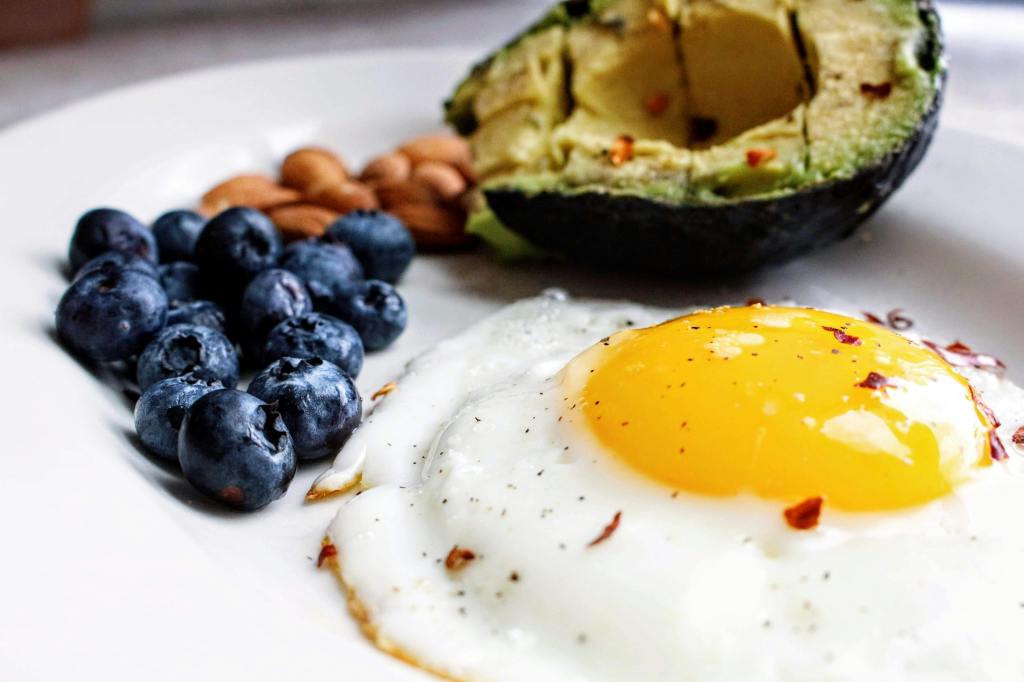
When embarking on a ketogenic diet, many find the prospect of planning meals a bit daunting. The diet, known for its high fat, moderate protein, and low carbohydrate approach, aims to induce a state of ketosis where the body burns fat instead of glucose for energy. The payoff can be significant—weight loss, improved mental clarity, and better energy levels—but getting there requires thoughtful food choices. This article breaks down how to plan your keto meals effectively, ensuring they are both delicious and nutrient-dense.
Understanding the Basics of Keto
Before diving into meal planning, it’s essential to understand what the ketogenic diet entails. The goal is to drastically reduce carbohydrate intake and replace it with fat, leading the body into ketosis. For most people, this means consuming fewer than 50 grams of carbs per day, often even as low as 20 grams. The exact macronutrient breakdown can vary, but a typical keto diet might consist of 70-80% fat, 15-20% protein, and 5-10% carbohydrates.
Benefits of Meal Planning on Keto
Meal planning is a crucial strategy for maintaining any dietary regimen, particularly keto, where tracking macronutrients is vital. Benefits include:
- Avoiding Temptation: Knowing your meals and snacks ahead of time helps prevent impulsive eating decisions that might not align with ketogenic principles.
- Budget-Friendly: Buying exactly what you need reduces waste and unnecessary spending.
- Time Management: Prepping meals in advance can save a lot of time during busy weekdays.
- Nutritional Balance: Planning helps ensure you’re meeting your nutritional needs and maintaining the right macronutrient ratios.
Getting Started: Keto Meal Planning Tips
- Calculate Your Macros: First, understand how many calories you need based on your weight, height, activity level, and weight loss goals. There are several online calculators that can help you break down these calories into appropriate keto-friendly macros.
- Create a Meal Plan Template: Consider themes like “Meatless Mondays” or “Fish Fridays” to simplify decision-making. Each day of the week can have a general framework which can be varied with different ingredients and spices.
- Choose Your Recipes: Select recipes that fit your macros and appeal to your taste buds. Variety is key to sticking with any diet, so try to incorporate different meats, vegetables, and healthy fats. Use spices liberally to add flavor without extra carbs.
- Make a Shopping List: Based on your chosen recipes, compile a shopping list. Stick to the outer aisles of the grocery store where fresh foods like meats and vegetables are typically found, and avoid the middle aisles which are often full of processed, high-carb foods.
- Batch Cooking and Meal Prep: Prepare your meals in advance, at least partially. Cooking large batches of staples like proteins or low-carb vegetables can be a time-saver during the week.
- Use Proper Containers: Invest in quality food storage containers. Keeping food fresh is crucial, and good containers can make portion control much easier.
Sample One-Week Keto Meal Plan
To help you get started, here’s a sample one-week meal plan that incorporates a variety of foods and flavors:
- Monday: Breakfast – Scrambled eggs with spinach and feta. Lunch – Grilled chicken salad with avocado dressing. Dinner – Zucchini noodles with pesto and cherry tomatoes.
- Tuesday: Breakfast – Keto yogurt with walnuts and chia seeds. Lunch – Turkey roll-ups with cream cheese and cucumber. Dinner – Beef stir-fry with mixed green vegetables.
- Wednesday: Breakfast – Smoothie with almond milk, spinach, and peanut butter. Lunch – Shrimp and avocado salad. Dinner – Pork chops with asparagus.
- Thursday: Breakfast – Omelet with mushrooms and cheddar. Lunch – Sardine salad with olive oil and lemon dressing. Dinner – Chicken thighs with cauliflower rice.
- Friday: Breakfast – Almond flour pancakes with berries. Lunch – Tuna salad stuffed avocados. Dinner – Salmon with creamed spinach.
- Saturday: Breakfast – Bulletproof coffee and mini frittatas. Lunch – Chicken Caesar salad (no croutons). Dinner – Lamb chops with rosemary and garlic butter veggies.
- Sunday: Breakfast – Keto muffins and bacon. Lunch – Cobb salad. Dinner – Eggplant lasagna.
Tips for Eating Out on Keto
Eating out can still be enjoyable on the ketogenic diet. Opt for dishes that focus on meats and vegetables, and be mindful of hidden sugars and carbs in sauces and dressings. Don’t hesitate to ask for modifications, such as substituting any high-carb side with a salad or extra vegetables.
Staying Motivated
Keeping a food diary can be incredibly beneficial. Not only does it help track your intake, but it also makes it easier to adjust if you hit a plateau or don’t see the desired results. Additionally, joining online keto communities can provide support, ideas, and motivation to keep going.
Conclusion
With some planning and creativity, following a ketogenic diet can be not just manageable but enjoyable. By preparing nutrient-dense, flavorful meals, you can satisfy your palate and your dietary goals. Remember, the key to any successful diet is consistency, so find a routine and recipes that work for you and stick with them. Happy keto cooking!
By Caroline Kabiritsi
 healthybyketo.com