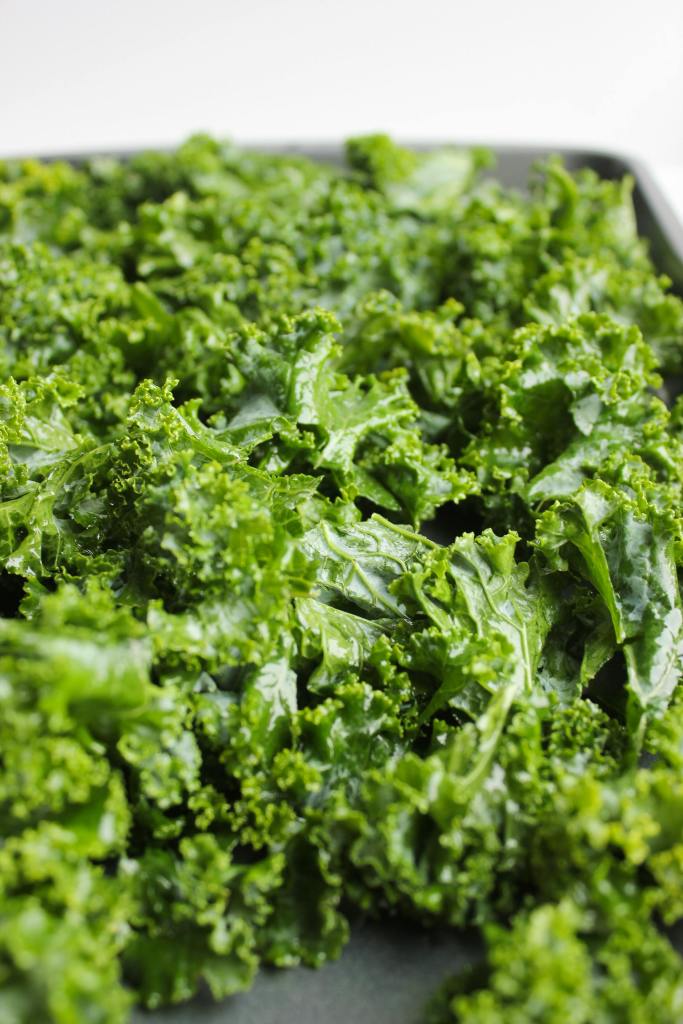
Kale Chips with Lime
So, you’ve heard about this thing called ketosis, and you’re curious. Maybe you want to shed a few pounds, improve your energy levels, or simply explore a new way of eating. Well, you’re in the right place! Transitioning into ketosis can be a transformative journey for your health and well-being. But where do you start? Don’t worry; I’ve got you covered with this step-by-step guide.
Understanding Ketosis
First things first, let’s clear up what ketosis actually is. Ketosis is a metabolic state where your body shifts from using glucose as its primary fuel source to using ketones, which are produced from fat. This transition typically occurs when you drastically reduce your carbohydrate intake, forcing your body to burn fat for energy instead.
Step 1: Educate Yourself
Knowledge is power, especially when it comes to something as significant as changing your diet. Take some time to research the ketogenic diet. Understand the science behind ketosis, familiarize yourself with keto-friendly foods, and learn about the potential benefits and risks. It’s essential to have a solid understanding of what you’re getting into before diving in.
Step 2: Clean Out Your Pantry
Now that you’ve decided to give ketosis a try, it’s time to bid farewell to those carb-laden temptations lurking in your pantry. Say goodbye to pasta, bread, rice, sugary snacks, and anything else that’s high in carbohydrates. Replace them with keto-friendly alternatives like avocados, nuts, seeds, low-carb vegetables, and healthy fats like olive oil and coconut oil.
Step 3: Plan Your Meals
One of the keys to success on the ketogenic diet is planning ahead. Sit down and map out your meals for the week, making sure to include plenty of protein, healthy fats, and low-carb vegetables. Stock up on keto-friendly ingredients and consider prepping some meals in advance to make sticking to your new way of eating easier.
Step 4: Start Slowly
Transitioning into ketosis can be a significant adjustment for your body, so take it slow. Instead of diving headfirst into a strict ketogenic diet, consider gradually reducing your carbohydrate intake over the course of a few days or weeks. This approach can help minimize unpleasant side effects like the keto flu, which some people experience as their bodies adapt to burning fat for fuel.
Step 5: Monitor Your Macros
On the ketogenic diet, it’s essential to keep track of your macronutrient intake, specifically your carbs, protein, and fat. Aim to keep your carbohydrate intake between 20-50 grams per day to stay in ketosis. Moderate your protein intake to prevent it from being converted into glucose, and make sure to get enough healthy fats to keep you feeling satisfied and energized.
Step 6: Stay Hydrated
Proper hydration is crucial, especially when you’re transitioning into ketosis. As your body adjusts to burning fat for fuel, you may experience increased urination, which can lead to dehydration if you’re not careful. Make sure to drink plenty of water throughout the day and consider supplementing with electrolytes to help maintain the balance of fluids in your body.
Step 7: Listen to Your Body
Everyone’s journey into ketosis is different, so it’s essential to listen to your body and adjust accordingly. Pay attention to how you’re feeling physically and mentally. If something doesn’t feel right, don’t be afraid to make changes to your diet or seek guidance from a healthcare professional.
Step 8: Be Patient
Transitioning into ketosis is not always a smooth ride, and it’s normal to experience some bumps along the way. Be patient with yourself and understand that it may take time for your body to fully adapt to this new way of eating. Stay focused on your goals and trust the process.
Step 9: Celebrate Your Successes
As you embark on your journey into ketosis, don’t forget to celebrate your successes along the way. Whether it’s losing a few pounds, feeling more energized, or simply sticking to your new way of eating, every achievement is worth acknowledging. Take pride in your progress and use it as motivation to keep pushing forward.
Step 10: Stay Consistent
Consistency is key when it comes to maintaining ketosis and reaping the benefits of the ketogenic diet. Stay committed to your dietary choices, stick to your meal plan, and make adjustments as needed. Remember, the more consistent you are, the easier it will become to stay in ketosis and achieve your health and wellness goals.
Final Thoughts
Transitioning into ketosis is a journey that requires dedication, patience, and a willingness to learn. By following these steps and staying true to your goals, you can successfully make the switch to a ketogenic lifestyle and experience the many benefits it has to offer. So, what are you waiting for? Take the first step today and embark on your own keto adventure!
Here is a recipe to get you started!
Kale Chips with Lime
Serves: 2
Ingredients:
1-teaspoon soy sauce
1-teaspoon fish sauce
2 tablespoons of olive oil
1 tablespoon Sriracha
1 bunch of kale, washed well Juice of half a lime
Instructions:
1. Heat oven to 350 degrees.
2. Chop the stem off the kale. Break them into chip-sized pieces and thoroughly dry them.
3. In bowl, combine lime juice, Sriracha, olive oil, fish sauce, and soy sauce and mix. Taste for saltiness and hotness and adjust as desired.
4. Pour the dressing over the kale to coat the chips. Spread the leaves over 2 cookie sheets (greased) but do not overlap them.
5. Bake for 10 to 12 minutes as you monitor them.
Net carbs per serving: 6g
 healthybyketo.com